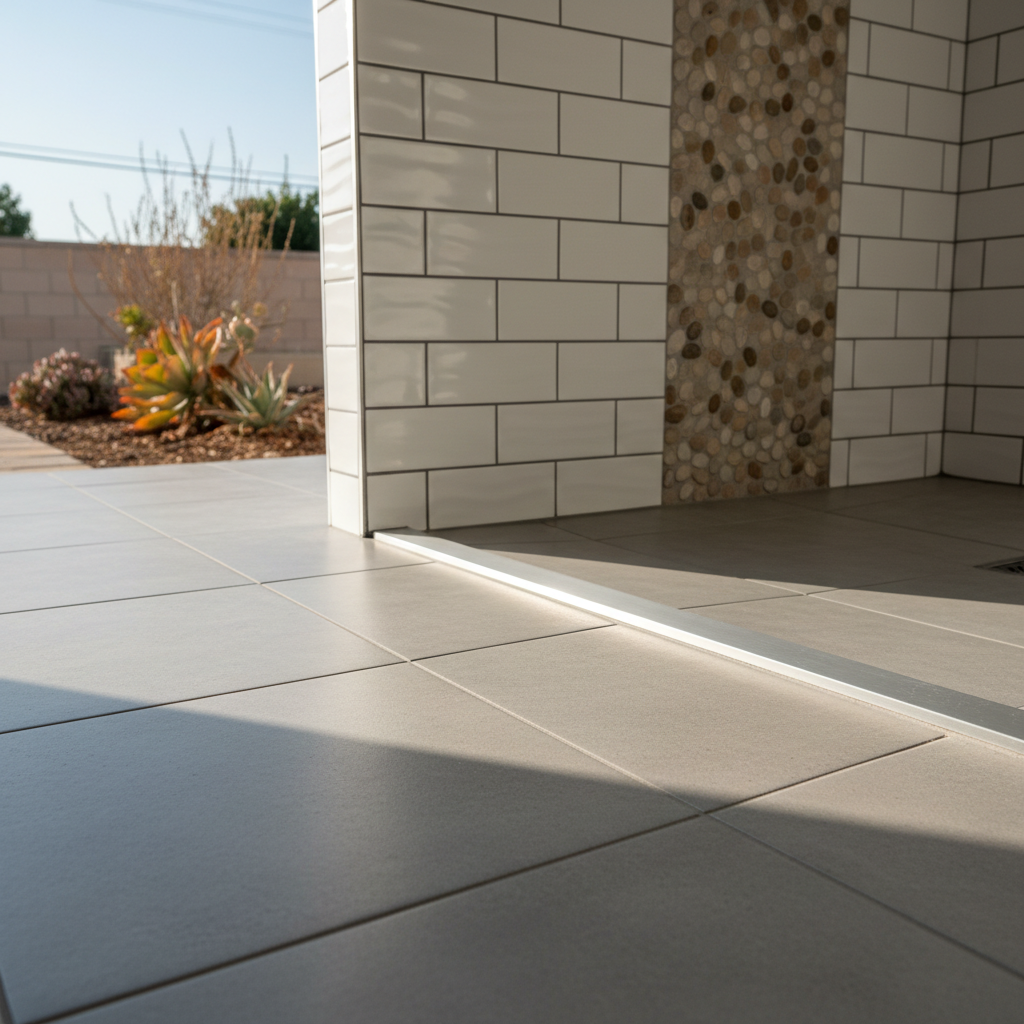
So, you're thinking about new flooring, huh? Maybe it's finally time to rip out that old linoleum in the kitchen or swap out the worn-out carpet in the living room. It's a pretty big decision, and it really can change how your whole house feels. But before you start tearing things up, let's talk about what's involved, what you might be able to handle yourself, and when you should definitely pick up the phone and call someone like us at Bell Gardens Bathroom Solutions.
Before You Start: Planning is Everything
You wouldn't build a house without blueprints, right? Well, the same goes for your floors. First off, what kind of flooring are we even talking about? Tile, laminate, luxury vinyl plank (LVP), hardwood? Each one has its own little quirks. Tile, for instance, is super tough, waterproof, and fantastic for bathrooms and kitchens. But it's also heavy, cold, and a real pain to install if you don't know what you're doing. Laminate and LVP are often a bit easier for DIYers because they're 'floating' floors – they just click together and don't need to be glued down.
Next, measure everything. Do it twice. Then add an extra 10-15% for cuts, any oopsies, and future repairs. Trust me, running out of a specific dye lot of tile halfway through a job is a nightmare. Also, take a good look at your subfloor. Is it solid? Is it level? Any soft spots or water damage? You absolutely have to fix that stuff first, otherwise, your beautiful new floor will just be a disaster waiting to happen. For example, in some of the older homes around Gage Avenue, I've seen some pretty uneven subfloors that need serious leveling before any new flooring goes down, you know?
During the Project: DIY or Pro?
This is where things get real. Some flooring types are genuinely DIY-friendly:
- Laminate or LVP: If you're decent with a tape measure, a utility knife, and a jigsaw, you can probably tackle these. They're actually designed for homeowners to install. Just watch a few YouTube videos, read the manufacturer's instructions carefully, and take your time.
- Sheet Vinyl: For small, simple rooms without too many cuts or obstacles, sheet vinyl can be a DIY project. It's pretty forgiving, but getting it perfectly flat and cutting around toilets or cabinets can be tricky.
Now, here's when you absolutely should call a pro:
- Tile: I'm not gonna lie, tile is tough. It involves mixing mortar, precise cutting, leveling, grouting, and sealing. Getting consistent grout lines, dealing with uneven walls or floors, and making sure it's all waterproofed properly (especially in a shower) takes skill and specialized tools. A bad tile job looks awful and can lead to expensive water damage down the line.
- Hardwood: Whether it's solid, engineered, nail-down, or glue-down, hardwood installation is an art. Acclimation, precise cuts, making sure there are no gaps, and proper finishing are crucial for a floor that lasts decades.
- Large or Complex Spaces: If you've got a huge room, lots of angles, or intricate patterns, a pro will save you a ton of headaches and produce a much better result.
- Subfloor Issues: If your subfloor needs significant repair, leveling, or replacement, that's definitely a job for someone who knows what they're doing.
Honestly, for anything beyond a basic floating floor in a small room, you're usually better off calling a professional. We've just seen too many DIY tile jobs go sideways, costing homeowners more in the long run to fix mistakes than if they'd just hired us from the start.
After the Install: Care and Maintenance
Once your new floor is in, whether you did it or we did, you've got to take care of it. Each type of flooring has specific care instructions:
- Tile: Clean with a pH-neutral cleaner. Mop regularly. For grout, think about sealing it every couple of years to prevent staining. Don't use harsh chemicals or abrasive scrubbers, especially on polished tiles.
- Laminate/LVP: Sweep or vacuum regularly. Damp mop with a cleaner recommended by the manufacturer. Avoid too much water, as it can seep into seams and cause swelling.
- Hardwood: Sweep or vacuum often. Use wood-specific cleaners. Avoid excessive moisture. Put felt pads under furniture legs to prevent scratches.
No matter what, wipe up spills immediately. That's probably the number one rule for any flooring, right? A little routine maintenance goes a long way in keeping your new floors looking great for years to come. If you're in Bell and need a hand with a flooring project, especially tile, you know who to call. We're always here to help you get it done right.