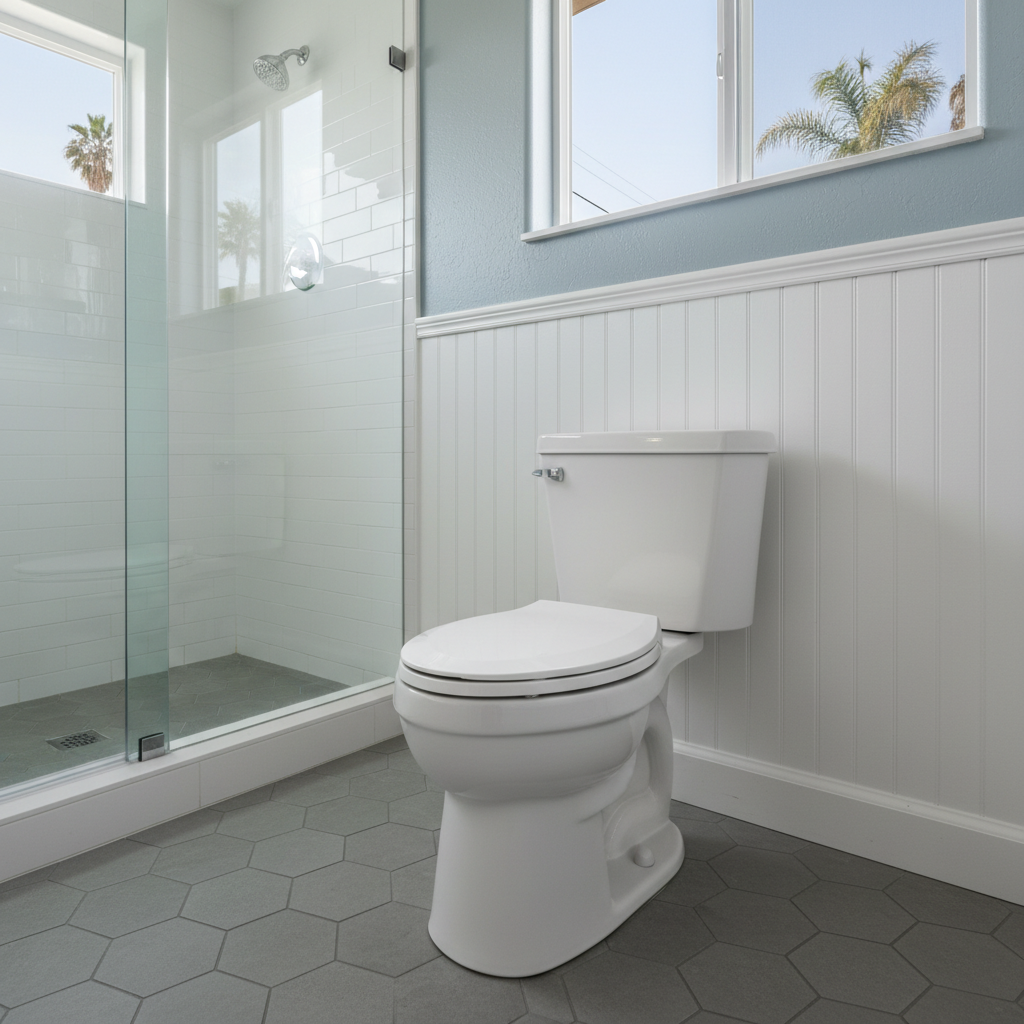
So, you've got a shiny new toilet, maybe we even installed it for you here at Bell Gardens Bathroom Solutions. That's great! But getting it in is only half the battle, isn't it? You want that thing to last, right? You definitely don't want to be calling us back for a leaky flange or a ghost flush a year down the road. This isn't just about fixing problems; it's about stopping them before they start, making sure your investment holds up over time.
Making Your Toilet Last Longer: It's Easier Than You Think
The biggest thing you can do to make your toilet last longer is to watch what goes down it. I know, I know, everyone thinks they know this one, but you'd be surprised. Flushing anything besides human waste and toilet paper is a big no-no. Those so-called 'flushable' wipes? They're really not. They're a total nightmare for your plumbing system, and they'll eventually cause clogs that put stress on your toilet's insides and your pipes.
Another major point, especially here in Bell with our harder water, is keeping an eye on mineral buildup. Over time, calcium and other minerals can gunk up the fill valve and flush valve. This makes them less efficient and eventually causes them to fail. Regular cleaning helps, but sometimes you actually need to get in there and clean or replace these parts.
Regular Maintenance: Your Toilet's Best Friend
Think of your toilet like your car; it needs regular check-ups. You don't have to be a plumber to do some basic maintenance. Here's what I tell folks:
- Check for leaks: Every few months, put a few drops of food coloring in the tank. Don't flush. Wait about 15-20 minutes. If you see colored water in the bowl, you've got a slow leak from the flapper valve. That's just wasting water and costing you money.
- Clean the bowl and rim jets: Use a toilet brush and a good cleaner. For those little holes under the rim, sometimes a bent paperclip or a small brush can help clear out mineral deposits that mess with the flush.
- Inspect the tank's internals: Lift the tank lid once in a while. Make sure the chain isn't too long or too short, that the flapper seats properly, and that the fill valve isn't constantly running. If you hear it refilling on its own when no one's used it, that's a phantom flush and a clear sign of a leak.
- Tighten bolts (carefully): The bolts holding the toilet to the floor and the tank to the bowl can sometimes loosen up. A gentle tightening can prevent wobbling and potential leaks at the base. Just don't overtighten, though; you could crack the porcelain.
Warning Signs You Shouldn't Ignore
Your toilet usually gives you hints when something's wrong. Don't wait until it's a full-blown flood. Here are some red flags:
- Constant running: If the tank keeps refilling itself, even slowly, you've definitely got a leak. It's usually a flapper or fill valve issue.
- Weak flush: Is it not clearing the bowl like it used to? Could be a clog, mineral buildup in the rim jets, or an issue with the flapper not opening all the way.
- Wobbling: If your toilet rocks when you sit on it, the bolts might be loose, or the wax ring underneath could be compromised. This is a big one because a compromised wax ring means potential water damage to your subfloor.
- Water around the base: This is a definite call-a-pro situation. It usually means the wax seal is failing, and water is seeping out from under the toilet. Ignoring this leads to rotten floors, mold, and a much bigger repair bill.
- Strange noises: Hissing, gurgling, or banging sounds after a flush can point to issues with water pressure, the fill valve, or even a vent pipe problem.
When to Call a Professional
Look, I'm all for DIY, but some things are just better left to the pros. If you've tried the basic troubleshooting and the problem won't go away, or if you see any water leaking from the base of the toilet, it's time to pick up the phone. Don't mess around with water damage; it gets expensive fast. Also, if you're dealing with a persistent clog that your plunger can't handle, you might have a deeper issue in your drain line, and a snake or hydro-jetting might be needed. We've seen plenty of old homes in Bell, especially those built in the 40s and 50s near Gage Avenue, with original cast iron pipes that are prone to buildup. A professional can diagnose that properly.
A small leak today can turn into a huge headache tomorrow. Don't let it get that far. A little attention to your toilet now can save you a lot of money and stress later on.