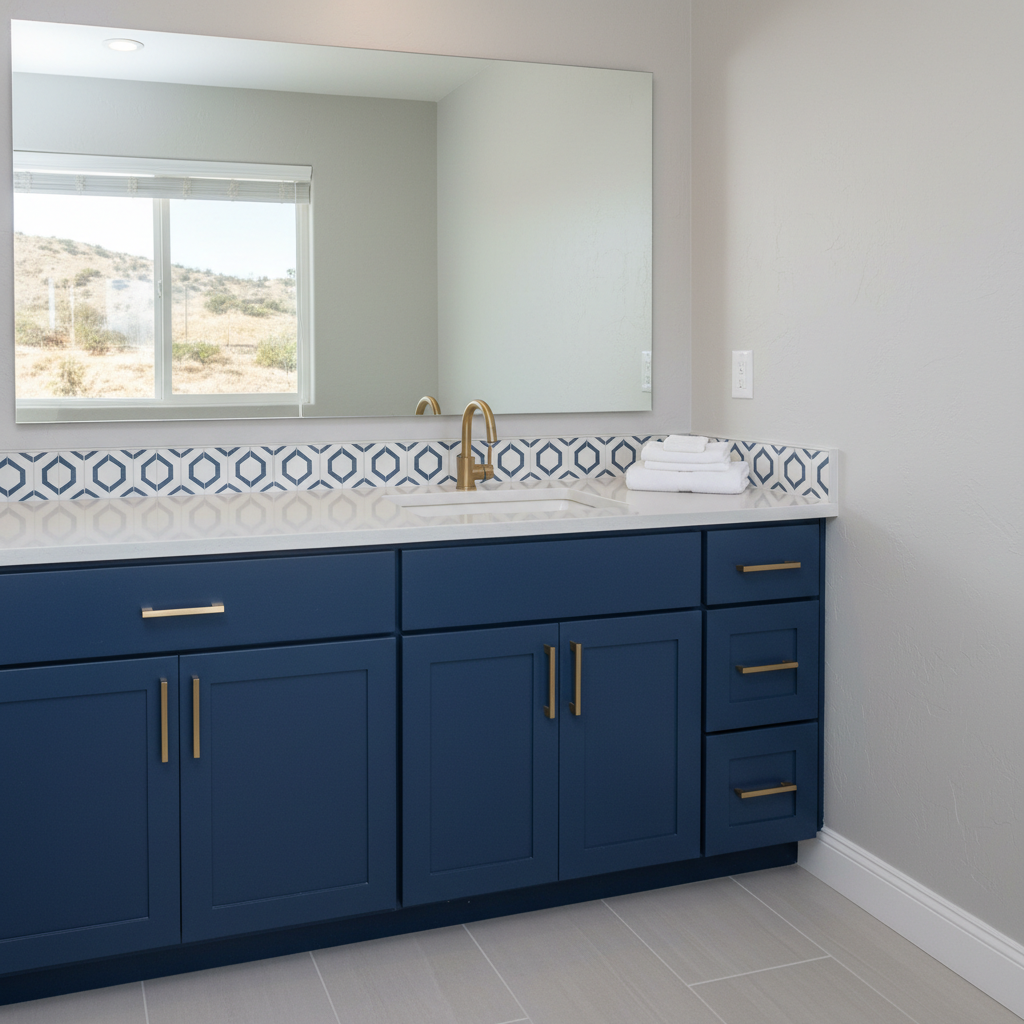
You'd think installing a new vanity and sink would be straightforward, right? Pick one out, hire someone, and boom, new bathroom. Well, I've seen enough projects go sideways to tell you it's not always that simple. Especially here in Bell, where some of our older homes have unique plumbing quirks or just plain tight spaces.
Mistake #1: Not Measuring (And Remeasuring!) Everything
This is probably the biggest one. People fall in love with a vanity online or in a showroom, buy it, and then — oops — it doesn't fit. You really need to measure the width, depth, and height of your space. Don't forget to account for door swings, toilet clearance, and any existing wall outlets. And hey, measure the vanity itself, not just what the box says. Manufacturers can be off a hair, and that tiny bit can mean the difference between a perfect fit and a return trip to the store.
Think about the sink too. Is it an undermount, drop-in, or vessel? Each one needs different countertop cutouts and faucet placement. You definitely don't want your faucet handle hitting the backsplash or being too close to the sink rim to operate comfortably.
Mistake #2: Ignoring Plumbing Location
This is where those older Bell homes really come into play. Many houses in areas like the Gage Avenue corridor have original plumbing that might not line up perfectly with modern vanity designs. You might find a P-trap or supply lines that are too high, too low, or too far to one side for the new vanity's drawers or cabinet structure.
If your new vanity has drawers, especially full-depth ones, they might run right into your existing drain pipe. This means you're either modifying the vanity (which can void warranties and often looks bad) or you're paying a plumber to relocate the rough-in. That adds significant cost and time to your project, doesn't it? Always check where your existing plumbing hits relative to the new vanity's internal structure *before* you buy.
Mistake #3: Skimping on the Faucet and Drain Assembly
You bought a beautiful new vanity and sink; don't put a cheap, flimsy faucet on it. I've seen it time and again – a homeowner saves fifty bucks on a faucet, and then it leaks, corrodes, or the finish peels off within a year. A good quality faucet isn't just about looks; it's about reliable function and durability.
Same goes for the drain assembly. Many vanities come with a basic pop-up drain, but if you're getting a vessel sink or a specific style, you might need a different type. Make sure the drain kit is compatible with your sink and the P-trap. It's a small detail, but a leaky drain can cause major damage to your new vanity over time.
Mistake #4: Not Considering the Weight
Especially with wall-mounted or floating vanities, this is critical. Is your wall strong enough to support the weight of the vanity, the sink, the countertop, and everything you'll put inside it? Most older homes have standard 2x4 stud framing. You need to make sure you're anchoring into studs, and sometimes, depending on the size and weight, you might even need to add blocking inside the wall for extra support. Don't just rely on drywall anchors; that's a recipe for disaster.
Mistake #5: Hiring the Wrong Person (Or Trying to DIY Everything)
Look, I'm all for saving money where you can, but some jobs are best left to pros. If you're not comfortable with plumbing, cutting countertops, or dealing with electrical (if you're adding lighting or an outlet), you could end up with a bigger mess and a more expensive fix.
When you're hiring, don't just go with the cheapest quote. Ask for references, check their license and insurance, and make sure they specialize in bathroom work. A general handyman might be able to hang a picture, but a vanity and sink installation involves precise measurements, plumbing connections, and sometimes electrical work. You want someone who knows what they're doing. At Bell Gardens Bathroom Solutions, we handle these installations all the time, and we know the ins and outs of getting it right the first time.
A good contractor will also spot potential issues you might miss, like needing to upgrade your shut-off valves or noticing a small leak that needs addressing before the new vanity goes in. It's about preventing headaches down the road, plain and simple.
Doing your homework upfront, measuring carefully, and choosing the right people for the job will save you a lot of grief, time, and money in the long run. Trust me on this one.